
There is no single “best” month for every Kenya safari. The right time depends on what you want most: dry-season wildlife concentration, greener landscapes, fewer vehicles, birding, photography, family travel or a safari-and-beach combination. This guide explains the year in practical terms so you can choose a season that fits your priorities rather than simply following the busiest travel dates.
Kenya safari seasons at a glance
Kenya sits close to the equator, but safari conditions still change meaningfully through the year. Broadly, many travellers think in terms of drier periods and greener or wetter periods rather than four European-style seasons. Rainfall is also regional: conditions in the Maasai Mara, Amboseli, Samburu, Tsavo and the coast can differ at the same time.
For first-time visitors, the drier months are popular because vegetation can be more open and wildlife may concentrate around reliable water. Green-season travel can be equally rewarding for travellers who value dramatic skies, fresh landscapes, birdlife and a quieter atmosphere. The important point is to match the month to the specific route.
- January to March: often warm, relatively dry in many safari areas and good for general wildlife viewing.
- April to May: traditionally associated with the heavier rains in many regions; some roads and activities can be more affected.
- June to October: a major safari period, with drier conditions in many areas and migration interest building in the Mara.
- November to December: shorter rains may refresh the landscape, often with good photographic colour and varied wildlife viewing.
January to March: warm, dry and excellent for a classic safari
January, February and much of March can be an excellent window for travellers who want a classic Kenya safari without automatically choosing the July-to-September peak. Days are often warm, mornings can be beautifully clear, and wildlife viewing can be productive across several regions.
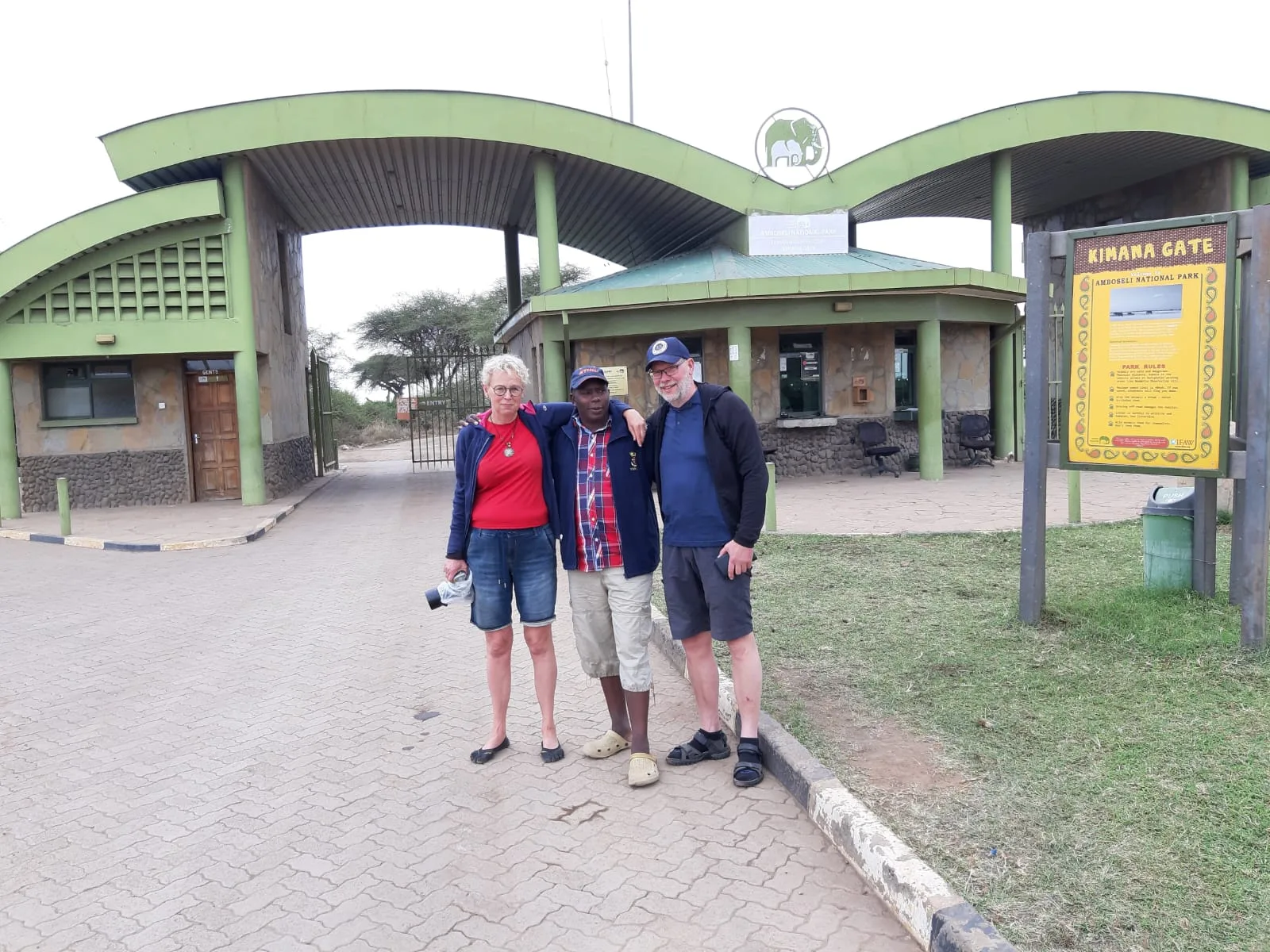
This period works especially well for combinations such as Amboseli, the Rift Valley and the Maasai Mara. Amboseli can deliver striking elephant photography when Mount Kilimanjaro is visible, although mountain views are never guaranteed because cloud conditions change throughout the day. Northern Kenya can also be rewarding for travellers who want landscapes and species that feel different from the southern circuit.
If photography is important, build flexibility into the schedule. Early starts and late-afternoon drives usually give better light, while a slower itinerary gives you time to wait for behaviour rather than racing between parks.
April and May: what the green season is really like
April and May are often described simply as the rainy season, but that description can be too blunt. Rain does not mean every day is washed out. It can arrive in bursts, with bright periods between showers, while the landscape becomes intensely green. The practical issue is access: some tracks can become muddy, road journeys may take longer and a few smaller camps can operate seasonally.
For the right traveller, this can be a beautiful time to visit. There may be fewer vehicles in some wildlife areas, accommodation can be better value, and dramatic skies create very different photographs from the dry-season look. Birding can also be excellent.
The key is choosing properties and routes that remain practical in wet conditions. Instead of building an aggressive itinerary with long road sectors, consider fewer destinations and longer stays. A well-planned private safari is easier to adjust around weather than a tightly fixed programme.
June to October: dry-season safari and Great Migration interest
From June into October, Kenya enters one of its most sought-after safari periods. Drier conditions in many wildlife areas can make animals easier to locate, grass may be shorter in some regions, and water sources become increasingly important. July, August and September are particularly popular with international visitors.
The Maasai Mara also attracts travellers hoping to experience the wider Great Migration ecosystem. Migration timing is natural rather than scheduled. Herd movement depends on rainfall, grazing and river conditions, so no responsible operator should guarantee a river crossing on a particular day. Staying several nights and keeping game-drive plans flexible gives you a much better safari than chasing a single predicted event.
If the Mara is your priority, see our Maasai Mara destination guide and compare it with a Maasai Mara group safari or a longer private route. Peak months should normally be booked earlier because well-located camps, family rooms and selected flights can fill up.
November and December: short rains, fresh landscapes and festive travel
November often brings shorter rains to parts of Kenya, refreshing the plains after the dry season. The landscape can change quickly, with new grass, softer light and dramatic cloud formations. This is a useful period for travellers who want safari photography with more colour and are comfortable with occasional showers.
December can be attractive for family travel and safari-and-coast holidays, but the Christmas and New Year period is a separate pricing season. Festive supplements, minimum stays and stricter cancellation conditions may apply at popular lodges and beach resorts.
If you are planning December travel, confirm the full cost rather than comparing only the headline room rate. Ask for the final package to show accommodation, transfers, park or conservancy fees, domestic flights where relevant and any festive supplements separately.
When should you visit for elephants, big cats, birding or photography?
Different interests point to different answers. There is no month in which all wildlife suddenly appears, because Kenya's parks and reserves are functioning ecosystems rather than staged attractions.
- Elephants: Amboseli is a strong year-round choice, particularly for travellers interested in large herds and open landscapes.
- Big cats: the Maasai Mara is famous for lion, cheetah and leopard viewing, but sightings remain wild and cannot be guaranteed.
- Birding: greener months can be especially rewarding, while many parks are productive throughout the year.
- Photography: dry-season dust and open plains create one style; green-season colour, storm light and reflections create another.
- Fewer crowds: shoulder and green-season dates can create a quieter feel, particularly outside holiday periods.
For official park information and visitor resources, the Kenya Wildlife Service is a useful reference for KWS-managed protected areas.
How the Kenya coast changes your decision
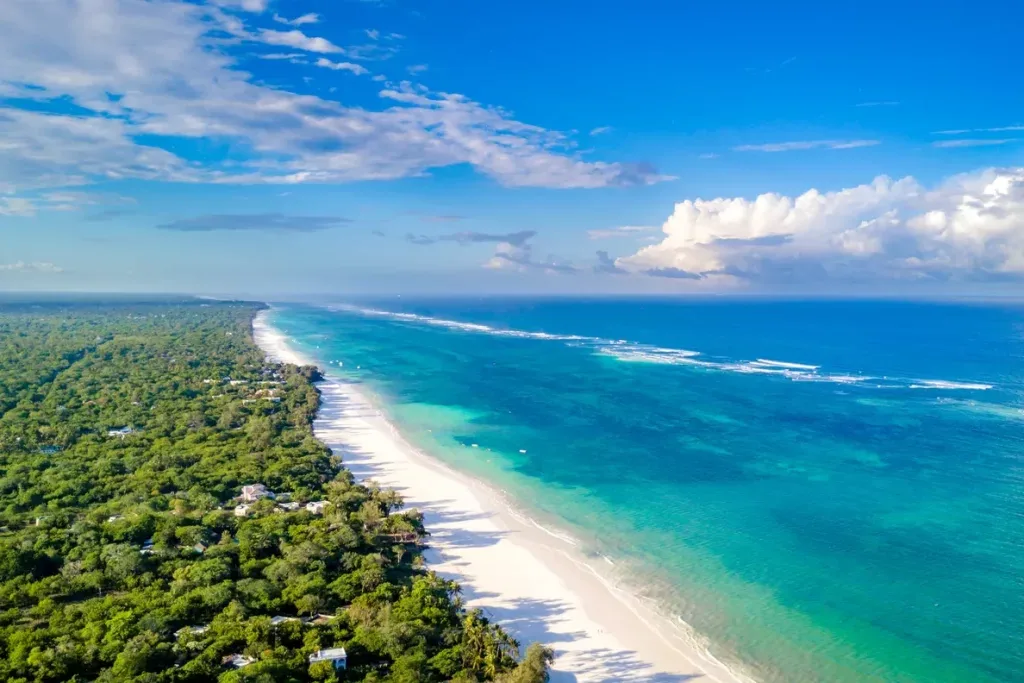
If your holiday includes the Indian Ocean, safari season is only half of the planning decision. Diani Beach, Watamu, Malindi, Mombasa and Lamu each have their own atmosphere, marine activities and seasonal conditions.
A common strategy is to place the safari first and the coast last. That gives you active early mornings and game drives at the beginning of the trip, followed by several slower days at the beach. Our Kenya safari and beach journeys can be adjusted around domestic flight connections and the hotel style you prefer.
When marine activities are important, check local sea and wind conditions for your travel month rather than assuming every activity operates identically year-round. The official Magical Kenya tourism site is also useful for broader destination inspiration.
Choosing your dates: the practical decision
Start with your non-negotiables. If you must travel during school holidays, secure the dates first and optimise the route around them. If your dates are flexible, decide whether your priority is migration interest, lower crowds, greener landscapes, beach time, photography or value.
Then choose the number of safari regions carefully. A seven-night trip does not need five parks. Two or three strong bases often produce a better experience because you spend more time on game drives and less time checking out, driving and checking in again.
For a tailored recommendation, use the Safari Designer and tell us your approximate dates, number of travellers, preferred accommodation level and the wildlife or experiences that matter most. Mianti can then compare routes rather than forcing your trip into a generic calendar.
Continue planning
Move from inspiration into Mianti's destination, safari and hotel pages, then verify time-sensitive information with official external resources.
Explore within Mianti
Maasai Mara destination guideAmboseli destination guideBrowse Kenya safari itinerariesExplore hotels and safari lodgesDesign a tailor-made safariOfficial & external resources
Kenya Wildlife Service safari resourcesKenya Wildlife Service parksMagical Kenya official tourism inspiration
Mianti Administrator
Kenya travel planning, safari routing and accommodation guidance from the Mianti Safaris team.