
Your first Kenya safari should feel exciting, not confusing. Most planning mistakes come from trying to compare too many parks, too many hotel categories and too many prices without first deciding the route. This guide breaks the process into practical decisions: entry preparation, trip length, park choice, transport, accommodation, costs and what to expect once the safari begins.
Step 1: confirm entry requirements before you pay for non-refundable travel
Kenya uses an Electronic Travel Authorisation system for many international visitors, with exemptions depending on nationality and status. Because immigration rules can change, use the official Kenya eTA website rather than an unofficial application service.
The official portal currently advises travellers to prepare items such as a passport with sufficient validity, a photo, contact details, arrival and departure itinerary, accommodation confirmation and a payment method. Eligibility and exemptions can vary, so check the official information for every traveller, including children.
Apply with enough time for processing and make sure the details match the passport exactly. Keep the approval available offline during travel. Mianti can provide the itinerary and accommodation information associated with your confirmed safari, but immigration approval is handled by the relevant government authority.
Step 2: decide how many days you really have
Count nights on the ground in Kenya rather than the dates printed on your long-haul ticket. An overnight international flight can make a “nine-day holiday” much shorter in practical safari time.
For a first visit, seven to ten nights is a useful range. With seven nights, focus on two or three regions. With ten nights, you can combine several safari areas or add the coast without turning every day into a transfer. Twelve nights or more gives you space for a slower safari-and-beach journey.
A common mistake is trying to include Nairobi, Amboseli, Tsavo, Naivasha, Nakuru, the Mara and the coast in a week. The map may make it look possible; the road and check-in time make it exhausting.
Step 3: choose parks that give you different experiences
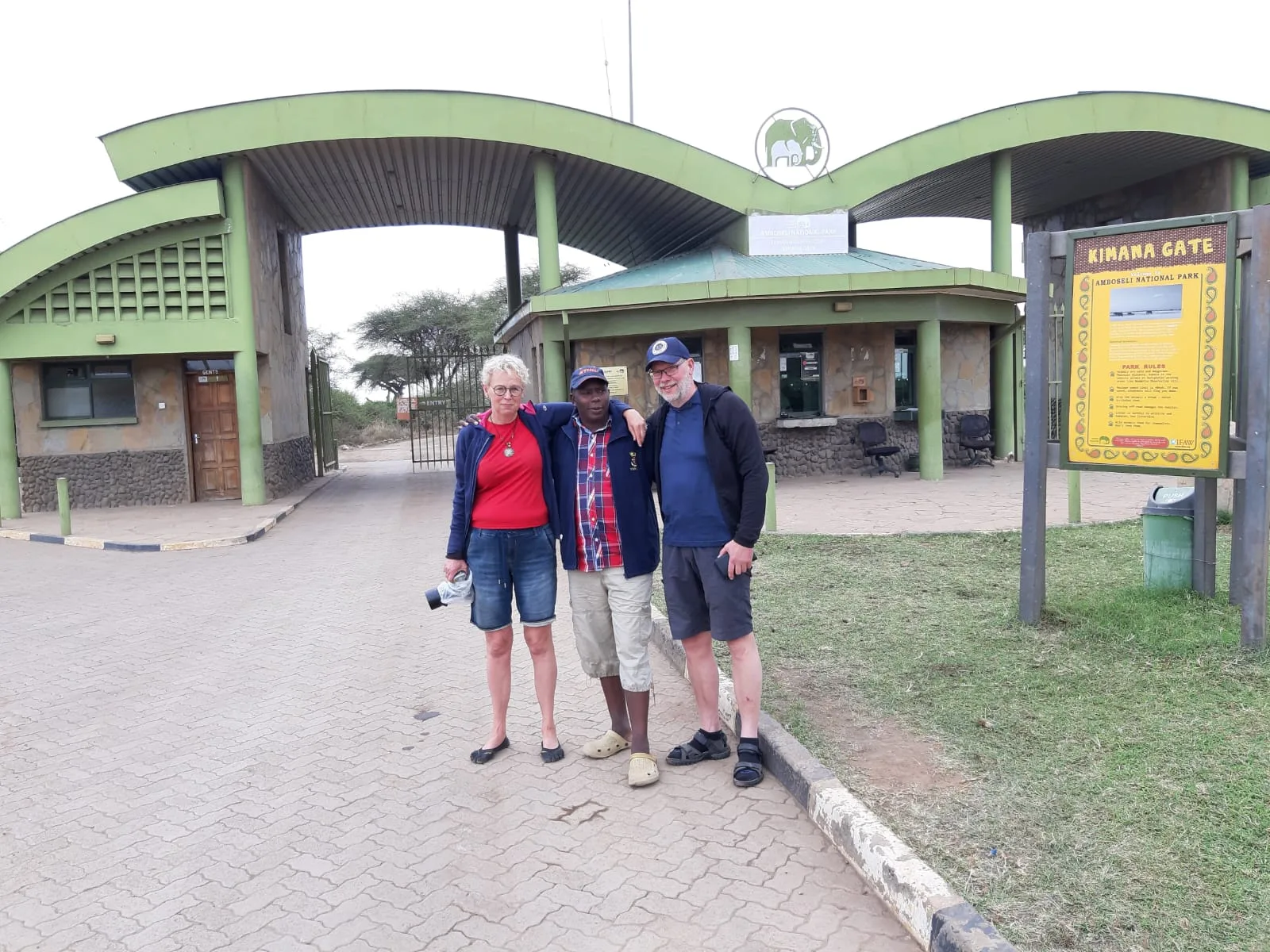
For a first Kenya safari, choose complementary landscapes. Maasai Mara is famous for open savannah and predators. Amboseli is strongly associated with elephants and Kilimanjaro scenery. Samburu gives you a drier northern ecosystem and distinctive species. Lake Nakuru adds a compact Rift Valley park and rhino interest. Naivasha introduces water-based and walking-style experiences outside the classic game-drive pattern. Tsavo offers scale, red earth and a different southern wilderness.
You do not need all of them. Pick the two or three that fit your priorities and transport. The Kenya Wildlife Service parks directory is useful for official information on KWS-managed parks and reserves.
If you are unsure, start with the experience you most want—big cats, elephants, photography, birding, family travel, honeymoon privacy or coast—and build outward from there.
Step 4: understand the difference between private, group and fly-in safari styles
A private safari gives your party its own vehicle and guide for the road sectors. It usually provides more flexibility for stops, photography and daily timing. A group-joining safari shares the vehicle and programme with other travellers, which can reduce cost and create a sociable experience but gives you less control over timing.
A fly-in safari uses scheduled or charter light aircraft for some sectors. It can save time and pair well with luxury camps, though luggage limits and airstrip transfers need careful planning. Many itineraries combine methods—for example, road travel through the Rift Valley and a flight from the Mara to Nairobi or the coast.
Compare Mianti safari options based on total route and inclusions, not just the lowest advertised price.
Step 5: choose safari lodges by location before luxury label
Hotel star language is not always the most useful way to compare safari accommodation. Location, ecosystem access, room design, meal plan and the number of rooms can shape your experience more than a generic “five-star” label.
For every lodge, ask: Is it inside the park, outside a gate or in a conservancy? How long is the transfer to wildlife areas? Which meals are included? Are game drives included in the rate or supplied separately by your tour operator? Is there a family room? How far is the airstrip? Are there conservation fees outside the room price?
Browse Kenya safari lodges and hotels, then let the itinerary determine which property is operationally sensible for each destination.
Step 6: understand what drives the cost of a Kenya safari
Safari prices are built from several moving parts. Accommodation changes by season and room category. Park, reserve and conservancy fees depend on the protected area and traveller category. Vehicle cost is affected by trip length and whether it is private or shared. Domestic flights can save time but add cost. Holiday dates and migration season can create supplements or higher lodge rates.
A proper quotation should identify the major inclusions: accommodation, meals, transport, game drives, guide, transfers and any fees that are included. It should also clearly list exclusions such as international flights, insurance, optional activities, tips or fees that must be paid separately.
KWS conservation fees are periodically reviewed, so check current official information rather than relying on an old blog price table. The KWS safari resources page is a useful starting point for official park planning information.
Step 7: a practical 7–10 day first-safari structure
A strong first itinerary does not need to be complicated. One example for seven nights is Nairobi arrival, two nights in Amboseli, one or two nights in the Rift Valley and three nights in the Maasai Mara. Another is Nairobi, Samburu or Laikipia, then the Mara.
With ten nights, you can keep the safari unhurried and add three nights at the coast. For example: one Nairobi night, two Amboseli nights, three Mara nights and four Diani nights. The exact sequence should be tested against road times and domestic flights before confirmation.
See the 8-day Classic Kenya Luxury Safari and the 12-day Kenya Safari and Beach Journey for route ideas that can be customised.
Step 8: what happens on a normal safari day?
A safari day often begins early, sometimes before breakfast, because temperatures are cooler and wildlife can be active around sunrise. You may return to the lodge for breakfast and rest, take a full-day drive with a picnic, or go out again in the late afternoon. The exact rhythm depends on park rules, distance, weather and your guide's assessment of wildlife activity.
Dress in layers, keep binoculars and a camera accessible, drink water and be patient. Not every drive produces a dramatic predator sighting. A good guide reads tracks, behaviour, habitat and information from other guides while also respecting wildlife and park rules.
For what to bring, use our Kenya safari packing list.
Step 9: add the coast only if it improves the trip
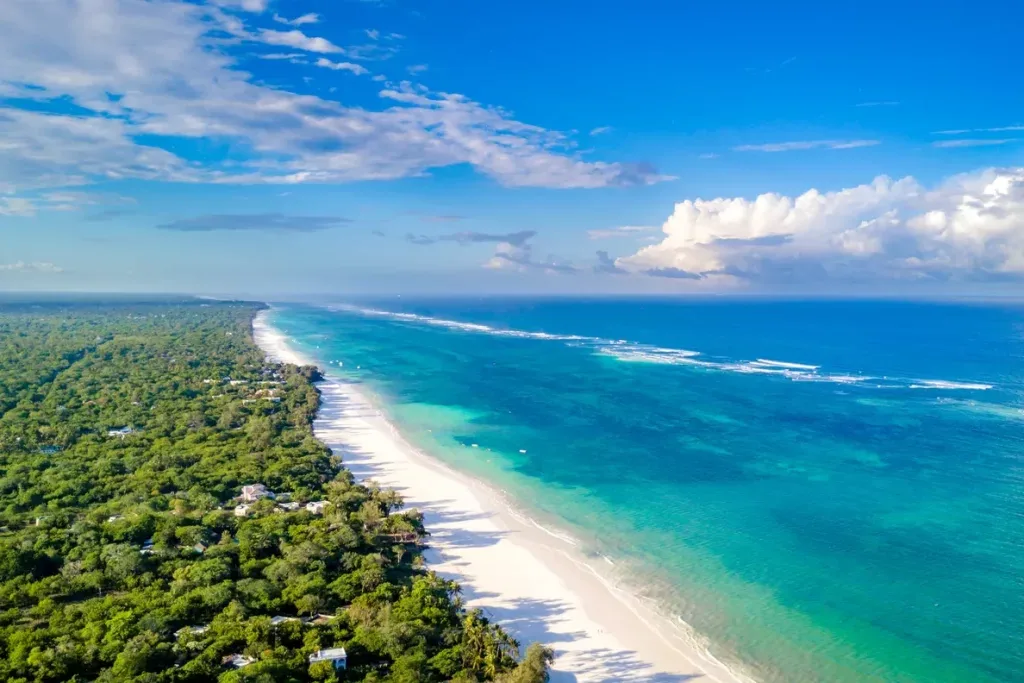
A beach extension is not mandatory, but Kenya makes it easy to create a strong bush-and-beach holiday. Diani is popular for a classic resort finish, while Watamu offers a different North Coast character with marine and creek experiences.
If you only have six or seven nights, adding the coast can make the safari too short. If you have ten to fourteen nights, the contrast can be excellent. Read our Kenya safari and beach holiday guide before deciding how many coast nights to include.
The best first safari is not the itinerary with the most place names. It is the one that gives you enough time in each destination to experience it properly.
Step 10: make the final booking decision
Before paying a deposit, check the exact hotel names, room types, meal plans, vehicle type, number of travellers sharing the vehicle, park or conservancy fees, domestic flights, airport transfers, cancellation terms and payment schedule. Ask whether the quotation is based on current availability or only an estimate.
Make sure the company contact details on invoices and payment instructions match the official business information. Keep all confirmations together and save the final itinerary offline.
When you are ready, use the Safari Designer to send Mianti your dates, country of residence, number of adults and children, preferred accommodation level and the destinations or experiences you already have in mind.
Continue planning
Move from inspiration into Mianti's destination, safari and hotel pages, then verify time-sensitive information with official external resources.

Mianti Administrator
Kenya travel planning, safari routing and accommodation guidance from the Mianti Safaris team.